
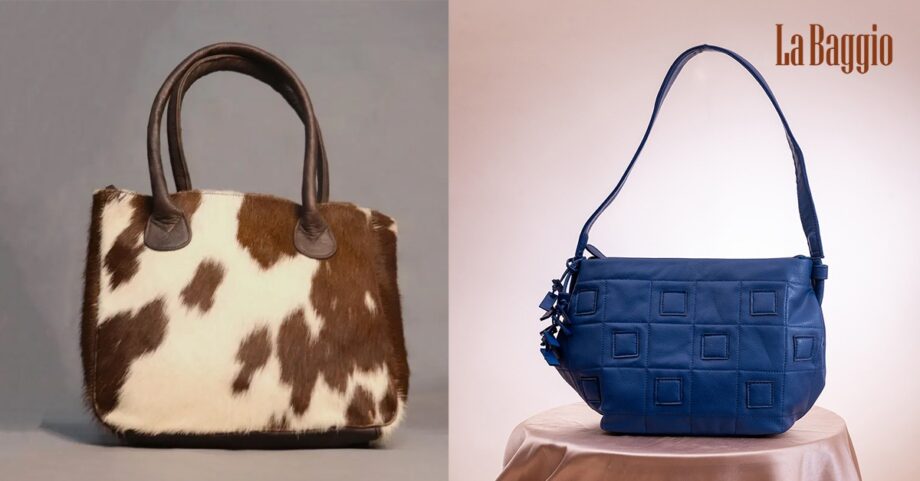
Vegan leather is a material designed to look and feel like leather without using animal hides. It includes materials made from synthetic sources such as PU (polyurethane) and PVC, as well as materials derived from plants.
Plant-based vegan leather can be made from pineapple leaf fibers, cactus, cork, apple peels and mushroom mycelium.
At La Baggio, we proudly use plant-based leathers made from innovative, agricultural waste by-products. These materials offer a luxurious and cruelty-free alternative to traditional leather and help reduce agricultural waste.
Types of Vegan Leather
Types of Vegan Leather
PU and PVC are petroleum-based materials commonly used in vegan leather products. While they avoid animal use, they are not biodegradable.
Plant-Based Vegan Leather
Plant-based vegan leather is made using renewable natural materials and generally uses less water and fewer harmful chemicals.
Environmental Impact of Vegan Leather
Plant-based vegan leather typically uses less water and has a lower carbon footprint than traditional leather. Some plant-based materials can biodegrade naturally.
Animal Welfare and Ethics
Vegan leather avoids animal hides, making it a cruelty-free option. Choosing cruelty free plant based vegan leather bags supports ethical fashion.
Carbon Footprint
Livestock farming contributes heavily to greenhouse gas emissions. Vegan leather, especially plant-based options, avoids emissions linked to animal agriculture, resulting in a lower overall carbon footprint.
Biodegradability
Synthetic vegan leather does not biodegrade easily. However, some plant-based leathers, such as cork and mushroom leather, can biodegrade more naturally depending on coatings used.
Animal Welfare and Ethical Benefits
Vegan leather does not involve animal hides, making it a cruelty-free material choice.
Choosing Cruelty free Plant based vegan leather bags supports ethical fashion by eliminating animal harm from the supply chain.
Consumers increasingly prefer Cruelty free Plant based vegan leather bags as part of a broader shift toward ethical and responsible consumption.
What Is Traditional Leather?
Origin and Production Process
Traditional leather is made from animal hides and processed using tanning chemicals. The process is resource-intensive.
Environmental Impact of Traditional Leather
Leather tanning consumes large amounts of water and produces wastewater that can contain toxic chemicals. Poorly managed tanneries can cause long-term soil and water pollution.
Vegan Leather vs Traditional Leather
Plant-based vegan leather is generally more sustainable, while traditional leather is known for long-term durability.
Sustainability
Plant-based vegan leather generally uses fewer natural resources and avoids livestock farming. Traditional leather has a higher environmental footprint due to animal rearing and chemical tanning.
Durability
Traditional leather is known for long-term durability when properly maintained. Vegan leather durability varies by material; high-quality plant-based options perform well for everyday fashion accessories.
Cost
Vegan leather products are often more affordable than traditional leather products because they avoid animal-based raw materials and intensive processing.
Which Option Is Right for You?
Eco-friendly vegan leather bags and plant based best vegan leather handbags are increasingly chosen for ethical and sustainable fashion.